


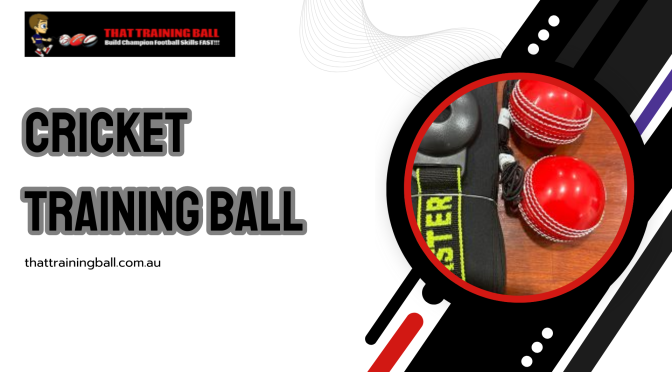
It takes constant practice to master cricket. For training to be effective, the proper equipment is vitally essential. A specialised cricket training ball can help you improve your skills faster than anything else. All of your urgent questions concerning practice balls are addressed in this blog.
Let’s discuss a few of them to help you understand cricket training balls better –
What Are the Most Important Features of a Cricket Training Ball?
Realistic performance and durability are crucial. The ball must be able to endure repeated strikes from walls and nets. For bowlers, look for premium reinforced seams. A steady bounce is essential for productive batting drills. Drills involving spin bowling require a strong grip.
Can You Use a Cricket Practice Ball Indoors?
Yes, but make sensible decisions. For indoor use, a softer cricket practice ball works best. It safeguards home objects and windows. It makes it possible to practice cricket indoors safely. Stroke play can be practised in small areas. Make sure there is always enough space for safety.

Which Weight Is Best for a Practice Ball?
Real strength and feel are created with match-weight balls. Lighter balls are ideal for developing junior cricket players’ skills. Strengthening your bowling arm can be facilitated by using heavier balls. For safety, always adhere to age-appropriate coaching recommendations. The proper weight enhances technique and reduces the risk of damage.
Are All Age Groups Suitable for Training Ball Cricket?
Yes, but only after careful selection. Different balls are suitable for different phases of community cricket development. Kids can play cricket in the backyard using soft rubber balls. For adapted cricket programmes, seniors may utilise lighter balls. Always put everyone’s safety and enjoyment first.
Are All Skill Levels Able to Use Training Ball Cricket Sets?
When it comes to player route development, they are extremely versatile. Balls that are softer and more forgiving are better for beginners. They are used by intermediates for particular drills aimed at improving their skills. They are used by professional athletes for repetitive, high-volume practice. Every stage of cricket training is supported with the appropriate set.

What’s the Difference Between a Soft and Hard Cricket Training Ball?
Perfectly simulating match circumstances are hard training balls. They are for advanced net sessions outside. Softer training ball cricket emphasises skill and safety. They are excellent for practising close-catching fielding. The ideal type depends on your training objective.
Is This Ball the Key to Improved Timing?
It is an effective method for enhancing batting rhythm. Regular practice creates muscle memory. Players can read lines and lengths more quickly because of it. At the crease, confidence is increased by quality training. It is essential for successful batting coaching exercises.
In conclusion
Cricket professionals need to select the appropriate cricket training ball. It improves enjoyment, skill, and safety. The right ball makes all the difference, whether it’s in the backyard or the nets. So pick up your ball and start practising right now!
That Training Ball can be your one-stop destination to get the right cricket training ball. Do not wait around for someone to come teach you different techniques. Master your skills with the right tools, and we’re the right place for that. Visit our website and check out our collection to invest in the ball that suits your needs best!
Additional FAQs
Is it possible to use a cricket training ball on concrete?
Use only balls made especially for hard surfaces. Most balls will soon be damaged by general use.
How should my practice cricket ball be cleaned?
Use a moist cloth to wipe. To preserve integrity, stay away from using harsh chemicals or immersing it in water.
Do coloured training balls differ from one another?
Performance is unaffected by colour. During training in the nighttime, pink or orange balls provide improved visibility.

