


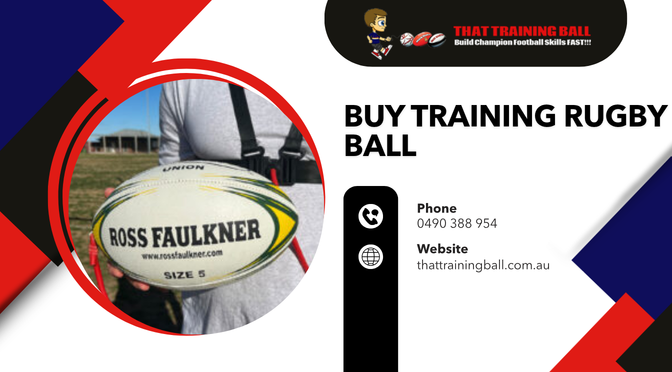
Finding the right rugby training equipment starts with understanding what matters most. Young rugby players need quality sports balls designed specifically for their skill development. The correct training ball improves performance, prevents injuries, and builds confidence. Your choice directly impacts how effectively young athletes develop their abilities.
Why Quality Training Balls Matter for Development
Proper equipment teaches young players fundamental techniques correctly. A well-designed training ball for beginners enhances grip and handling skills. Quality materials ensure the ball performs consistently during practice. Investing in appropriate gear shows commitment to athletic excellence.
Key Features to Look For
When you want to buy a training rugby ball, consider these essential features:
- Size and Weight: Match the ball to the player’s age and experience level
- Grip technology: Textured surfaces improve hand control and confidence
- Durability: Look for quality stitching and reinforced seams
- Material composition: Quality leather or synthetic alternatives perform better
- Balance: Proper weight distribution aids accuracy in passing
Understanding Your Training Ball Options
Different situations require different ball types. Beginners benefit from softer, lighter models. Advanced players need competition-standard rugby ball specifications. Recreational teams often use training-specific designs. Weather resistance matters for outdoor practice sessions.
When exploring where to shop training balls online, check detailed product descriptions. Compare specifications across multiple options carefully. Read reviews from coaches and parents alike. Ensure balls meet official sizing standards consistently.
Finding the Right Supplier for Your Needs
A quality training ball store provides expert guidance and advice. Customer support helps you select appropriate equipment. Reliable suppliers offer guarantees on product quality. Check return policies before making purchases.
Buy training rugby ball stocks from suppliers with proven experience. Established retailers understand young players’ requirements thoroughly. They provide recommendations based on skill levels. Expert staff answer questions about specifications and materials.
When you shop training balls online, compare options systematically. Look for retailers offering education about product features. Quality suppliers provide detailed sizing and material information. Customer testimonials help you make informed decisions.
Making Your Selection Wisely
Start by identifying your young player’s current skill level. Consider the primary use: recreational practice, competitive training. Assess weather conditions for your typical playing environment. Ensure the ball feels comfortable for smaller hands.
Budget matters, but prioritise quality over cost. Cheap materials wear quickly and perform poorly. Better equipment provides superior practice experiences. Your investment supports long-term athletic development.
Visit a professional training ball store when possible. Experienced staff answer technical questions thoroughly. Hands-on inspection helps confirm sizing accuracy. Personal guidance ensures appropriate selection for needs.
Conclusion
Selecting the best rugby training balls requires considering multiple factors. Young players deserve equipment supporting their development. Quality balls enhance skills, build confidence, and create better practice experiences. Make your choice wisely by prioritising proven quality.
Ready to find the perfect training equipment? Contact That Training Ball today. Call 0490 388 954 for expert advice. Email sales@thattrainingball.com.au with your questions. Visit https://thattrainingball.com.au/ to explore options. Your young athlete deserves the best support available.
FAQs
1. What size training ball suits young rugby players? Younger players (under 12) need smaller, lighter balls. Check official age-group guidelines for specific sizing recommendations.
2. How often should training balls be replaced? Quality balls last several seasons with proper care. Replace them when stitching loosens or grip deteriorates significantly.
3. Are synthetic balls better than leather options? Both work well; synthetics need less maintenance while leather offers a traditional feel. Choose based on your climate and preferences.
4. What’s the difference between training and match balls? Training balls often have softer materials for safety and skill building. Match balls meet stricter official specifications for competition.
5. How do I care for rugby training balls properly? Clean them regularly with mild soap and water. Store in cool, dry places away from direct sunlight.
6. Should young players use waterproof training balls? Waterproof options work better in wet climates and wet conditions. Standard balls perform fine in drier environments.
7. What grip level is best for beginners? Textured, high-grip surfaces help beginners control passes better. Smooth finishes suit more experienced players only.
8. Can one ball work for all age groups? No, different ages need different sizes and weights. Using appropriate sizing ensures proper skill development.
9. Where can I get professional advice on selection? Experienced retailers and coaches provide valuable guidance and recommendations. Online resources and product specifications help too.
10. How much should I budget for quality training equipment? Invest in mid-range quality rather than the cheapest options. Better durability saves money over the long term.

