


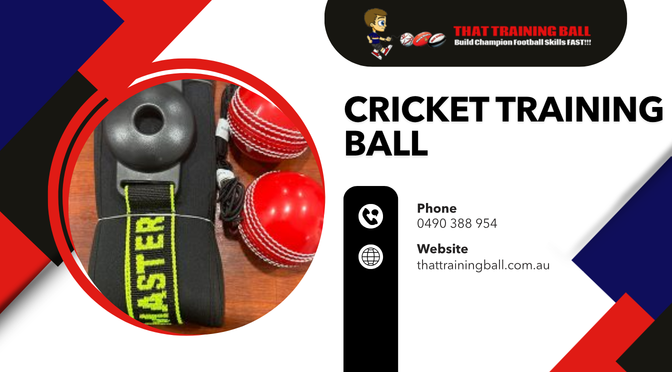
Have you ever wondered why your catches feel easier some days than others? The answer might be sitting right in your equipment bag. Catching ability in cricket relies heavily on the tools you use during training sessions. Different cricket practice balls have unique characteristics that directly influence your reflex speed and accuracy. When you understand these differences, you’ll transform your fieldwork dramatically.
Understanding Ball Weight and Density
How Ball Type Affects Your Reflexes
The cricket training ball you choose determines your reaction time significantly. Heavier balls require different muscle activation patterns than lighter ones. Your nervous system adapts to the ball’s specific characteristics during practice. This adaptation directly influences your catching performance in match situations. Hand-eye coordination development improves differently based on ball density.
- Heavier balls build stronger catching muscles
- Lighter balls enhance speed and agility reflexes
- Medium-weight options develop balanced skills
The Role of Ball Surface Texture
Grip and Control Impact
Surface texture affects how securely you catch the ball. A rougher cricket practice ball provides better grip during humid conditions. Smoother surfaces require different hand positioning techniques. Your fingers must adjust their pressure based on texture variations. Ball handling consistency becomes crucial for reliable catching.
Textured balls teach you:
- Better finger placement techniques
- Improved pressure control during catches
- Enhanced adaptability to match conditions
Bounce and Speed Characteristics
Improving Reaction Time
Different training cricket balls bounce unpredictably in unique ways. Balls with lower bounce heights offer easier practice for beginners. Higher bounce balls challenge your vertical catching abilities significantly. Your brain’s processing speed increases when handling varied bounce patterns. Cricket fielding techniques develop faster with challenging ball variations.
The bounce characteristics help you:
- React faster to unexpected trajectories
- Develop superior peripheral vision awareness
- Build confidence for match-day situations
Material Composition Matters
Why Ball Construction Impacts Performance
The core material inside affects the ball’s overall behaviour considerably. Synthetic cores provide consistent performance across all conditions. Natural leather balls respond differently to temperature and humidity changes. Your reflexes adapt to these environmental response patterns during training. Understanding cricket ball dynamics helps you prepare for real matches.
Conclusion
Your catching reflexes depend significantly on your cricket training ball selection during practice. Choosing the right equipment accelerates your skill development considerably. Different ball types challenge various aspects of your reflexive abilities.
Whether you’re developing speed, strength, or consistency, the right ball matters tremendously. Visit That Training Ball today for expert guidance on choosing your ideal practice equipment. Contact us at 0490 388 954 or email sales@thattrainingball.com.au. Explore our full range at https://thattrainingball.com.au/ to improve your game now.
Frequently Asked Questions
1. Does ball weight really affect my catching ability?
Yes, heavier balls build stronger hand muscles whilst lighter balls improve speed. Your specific training goals should guide your ball weight selection.
2. What’s the best ball type for beginners?
Beginners should use medium-weight balls with moderate bounce characteristics. These offer balanced skill development without overwhelming your reflexes initially.
3. How does ball texture improve my catching?
Rougher textures teach proper finger placement and grip pressure. This translates directly to better catches during actual match conditions.
4. Can different ball types improve my reaction time?
Absolutely, varied ball bounce patterns train your nervous system faster. Your brain adapts quickly when handling unpredictable trajectories regularly.
5. Should I practise with different ball types?
Yes, rotating between different balls develops well-rounded catching skills. This variety prepares you better for match-day uncertainty.
6. What’s the connection between ball density and reflex speed?
Denser balls require stronger muscle activation and slower responses. Lighter density balls train faster reflexes and quicker hand movements.
7. How does temperature affect practice ball performance?
Synthetic core balls remain consistent in varying temperatures. Natural leather balls respond differently, teaching you adaptability skills.
8. Why should I use varied practice balls during training?
Different balls challenge distinct aspects of your reflexive abilities. This comprehensive approach creates more confident and skilled fielders overall.
9. What ball type develops best for humid conditions?
Rougher-textured balls maintain grip better in humid environments. They teach pressure control essential for slippery match situations.
10. How do I choose the right practice ball for my needs?
Consider your current skill level, training goals, and match conditions. Expert guidance from equipment specialists helps significantly with this decision.

